
A Climate Advocate’s Guide to Calculating 45V and 45Q Tax Credits
The explosion of proposed “low-carbon” hydrogen and ammonia facilities is difficult to follow, even for dedicated climate advocates. The regulatory processes are complex, the finances are murky, and federal law keeps changing. This blog post is intended to help climate advocates opposing proposed hydrogen and ammonia facilities solve one information gap: How much money in […]
Adams Fork Energy’s Blue Ammonia Project, Explained

As discussed in our companion article, New York-based TransGas Development Systems, LLC announced plans in 2023 to build the Adams Fork Energy ammonia project in Mingo County, WV. This project was originally part of the Appalachian Regional Clean Hydrogen Hub (ARCH2) but its partner CNX later backed out and the project is no longer part […]
Governor Shapiro’s “Lightning Plan”: What HB500 Means for Hydrogen

Pennsylvania Governor Josh Shapiro’s proposal for a hydrogen tax credit addresses some of the worst aspects of the existing tax credit but the tax credit still rewards polluters and leaves itself vulnerable to changes that could render it moot, unenforceable, or worse. Background Last month, legislation associated with Pennsylvania Governor Josh Shapiro’s Lightning Plan […]
The Tenaska Tri-State CCS Hub: Reading Between the Lines

Last month, a representative for Tenaska — the company seeking to build the Tri-State Carbon Capture and Storage (CCS) Hub — testified before the Ohio House Natural Resource Committee in support of House Bill 170. If passed and signed into law, this bill would establish a regulatory regime for CO2 injection wells, one that would […]
Ohio House Bill 170 and Senate Bill 136: What You Should Know

Legislators in Ohio seek to establish a regulatory framework for the long-term, geologic storage of carbon dioxide in order to provide the clarity needed to attract developers to the state. But, HB170 and SB136 go far beyond this simple goal. If passed, these two CO2 storage bills would erode landowner rights in Ohio and expose […]
Statement on West Virginia Senate Bill 627

CHARLESTON, W. Va. — In response to the final passage of West Virginia Senate Bill 627, Ohio River Valley Institute Hydrogen Program Director Tom Torres issued the following statement: The West Virginia legislature made a bad bet in 2023 when it opened up state forests, natural and scenic areas, wildlife management areas, and other […]
ARCH2: It’s Time for Our Leaders to Start Asking Tough Questions

The Appalachian Hydrogen Hub (ARCH2) was always a questionable prospect. Since 2021, the Ohio River Valley Institute has asserted that carbon capture and blue hydrogen, the technologies underpinning what later became the hub, are prohibitively expensive and only possible if ratepayers and taxpayers foot the bill. This is why just four months after being allocated […]
The Carbon Implications of Ammonia Production
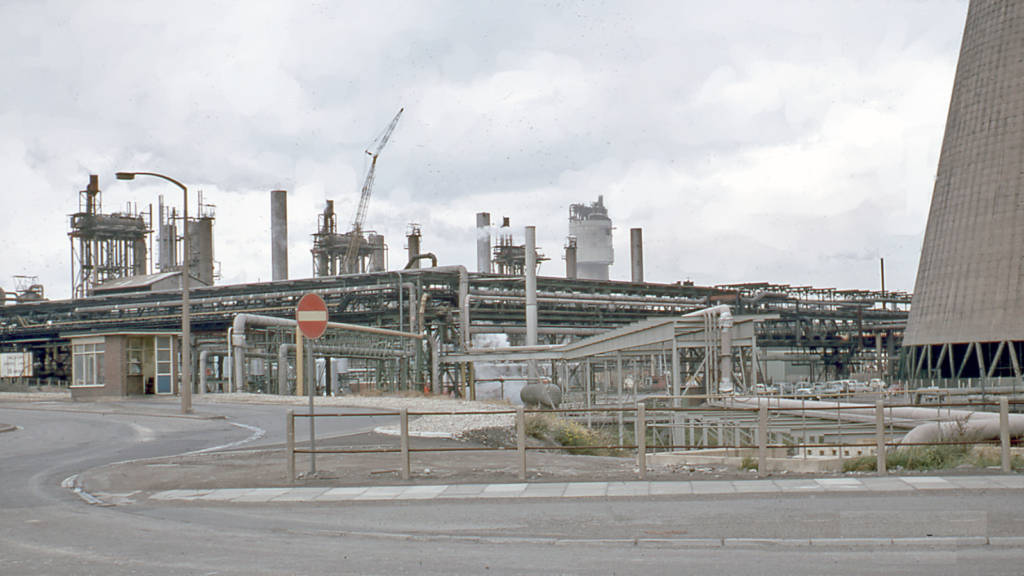
The US is on the verge of an ammonia ‘boom,’ which could expand fracking and incentivize risky carbon storage infrastructure. But as with any boom, industrial expansion will eventually bring a bust. At least 37 new projects have been proposed around the country which could increase ammonia production by over 350% within a decade. Part […]
Statement on the Approval of West Virginia’s Class VI Primacy Application
Tens of Thousands of Abandoned Wells Overlay West Virginia’s Prospective Carbon Storage Reservoirs, Risking Leakage, Report Finds