
Tens of Thousands of Abandoned Wells Overlay West Virginia’s Prospective Carbon Storage Reservoirs, Risking Leakage, Report Finds

Abandoned Wells Could Wreak Havoc for Carbon Storage in West Virginia
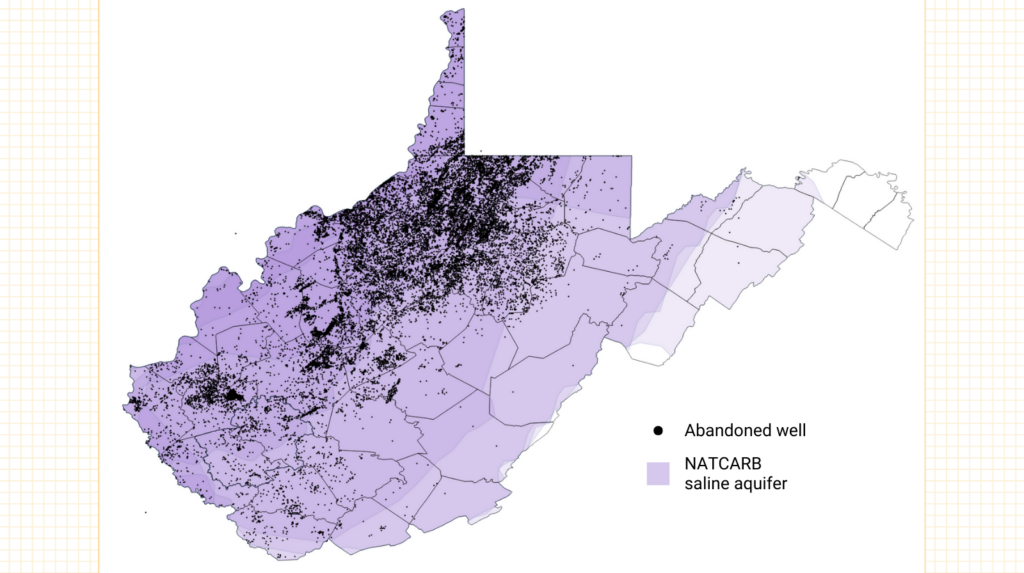
Tens of thousands of abandoned wells overlay West Virginia’s prospective carbon storage reservoirs, risking leakage.
Filling the Hole: A Federal Solution to Cleaning Up America’s Orphaned and Abandoned Oil and Gas Wells
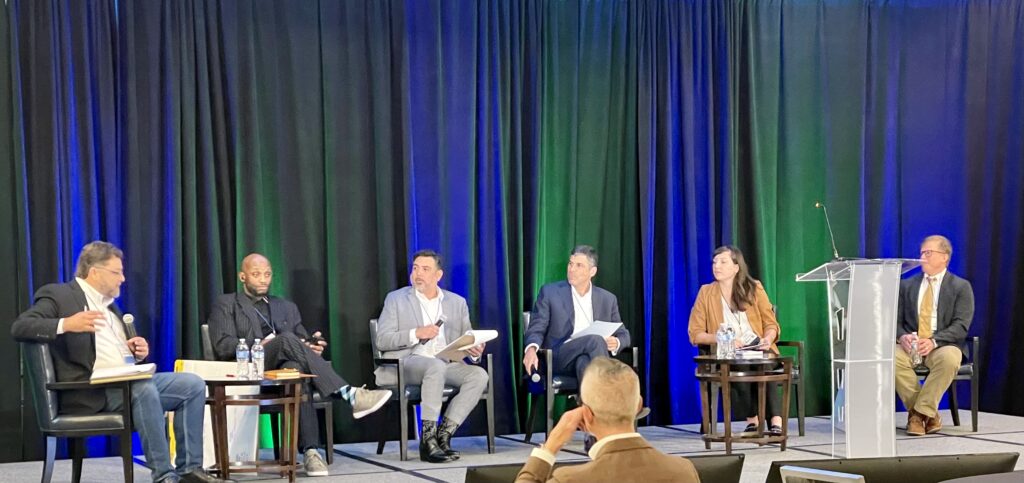
On October 23, 2024, Senior Researcher Ted Boettner presented at the 2nd Annual Orphan & Idle Wells Texas Conference on the need for a federal solution to clean up America’s orphaned and abandoned wells. His presentation is summarized below. An upcoming report will provide further detail on the topic. For more than 200 years, the […]
Addressing Pennsylvania’s Orphaned Well Crisis
Pennsylvania, like several other oil and gas producing states, has a broken system when it comes to preventing orphaned and abandoned wells. Its inadequate bonding and regulatory systems incentivize the indefinite delay of plugging responsibilities and the orphaning of aging oil and gas wells. As a result, Pennsylvania holds the dubious distinction of being at […]
Addressing Methane Emissions in Appalachia

New EPA methane regulations will create up to 15,000 well-plugging jobs in the Ohio River Valley. $1.3 billion in IIJA and MERP funding can support thousands of additional job-years.
Getting Unions Connected to Orphaned Well Clean Up: A Second Bite at the Apple
Last month, the Department of Interior (DOI) released its application guidance for Phase 1 state formula grants for orphaned well clean up under the Bipartisan Infrastructure Law. The formula grants are one of three grant programs included in the infrastructure law for orphaned wells site plugging, remediation and restoration. Altogether, 26 states are eligible for […]
ORVI in Southeastern Louisiana to Learn about a True Transition for Oil & Gas Workers
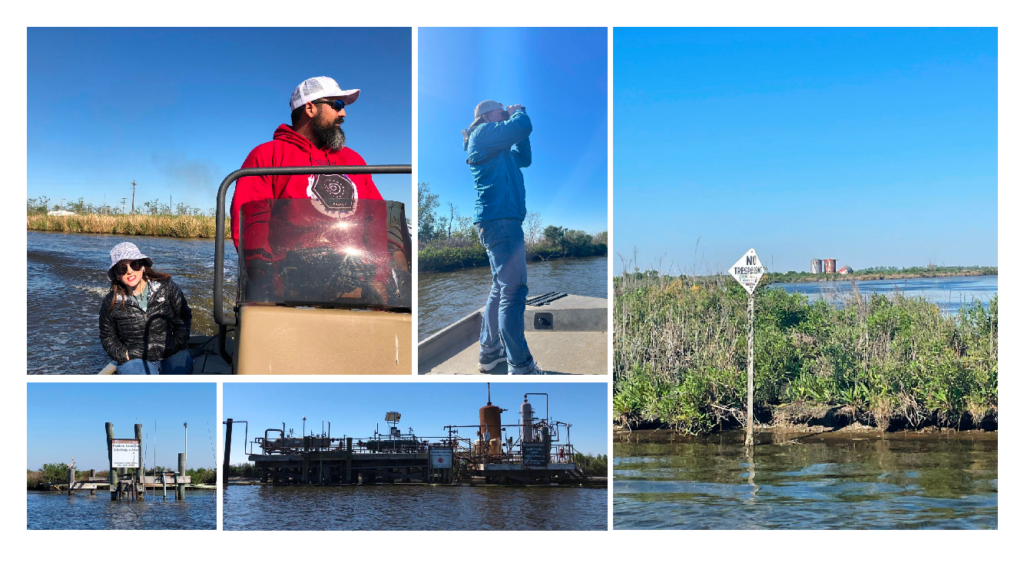
During the third week in March, I had the opportunity to travel to southeastern Louisiana to take part in several events sponsored by True Transition, a new group working to build a brighter future for oil and gas workers and communities across the country. For over a year, I have had the honor of serving […]
First Tranche of Federal Orphan Well Funds Out the Door

In August of 2022, the US Department of Interior (DOI) announced it awarded 24 states $560 million from the Bipartisan Infrastructure Law (BIL) to plug over 10,000 wells, reclaim well sites, and measure methane emissions. In January of last year, DOI announced that 26 states were eligible for $25 million each, or $650 million of […]
Diversified Energy’s Questionable Financial Practices Continue in 2022

Despite Diversified Energy’s questionable business model, the company’s total liabilities have exceeded its assets.
Diversified Energy: A Business Model Built to Fail Appalachia

Diversified Energy, the nation’s largest owner of low-producing oil & gas wells, does not have enough funds to plug its growing inventory. The company could leave states with billions in clean up costs.