
Appalachian States Should Proceed with Caution on CCUS, Hydrogen Hub Initiative

A new initiative to develop a carbon capture and hydrogen hub in Ohio, Pennsylvania, and West Virginia is unlikely to create many permanent jobs, boost…
Despite “Winning” GDP Gains, Ohio’s Fracking Counties Lost Big in 2020

A recent story in the Columbus Dispatch reported that “two small eastern Ohio counties in the heart of Ohio’s natural gas country posted the biggest economic gains among the state’s counties in 2020” and that “other counties in Appalachia also were among the 2020 winners.” But that’s only true if you measure “winning” by arcane […]
2021 in Review
As 2021 draws to a close, the Ohio River Valley Institute is looking back with gratitude and excitement on our first full year of operation. We’ve made some notable strides in the past twelve months toward addressing Appalachia’s most significant challenges, tracking the economic ‘bust’ of the Appalachian fracking and petrochemical booms and identifying programs […]
Why the Fracked Gas to Plastics Pipeline Has No Future in the Ohio River Valley
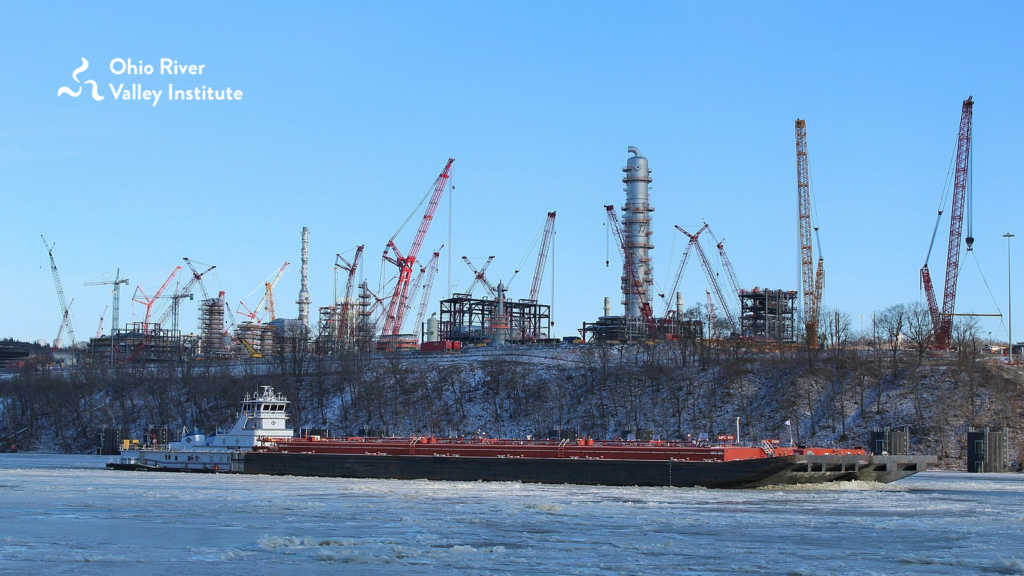
Four years ago, petrochemical industry boosters predicted a new wave of industry would roll across the natural gas-producing region of Appalachia, spurring billions of dollars in capital investments and a veritable economic renaissance in a place that sorely needed it. A 2017 American Chemistry Council study claimed that the region’s bountiful shale reserves could fuel […]
Pennsylvania AG Josh Shapiro Charges Mariner East Pipeline Developer with Environmental Crimes, Reflecting Widespread Support for a Crackdown on Fracking
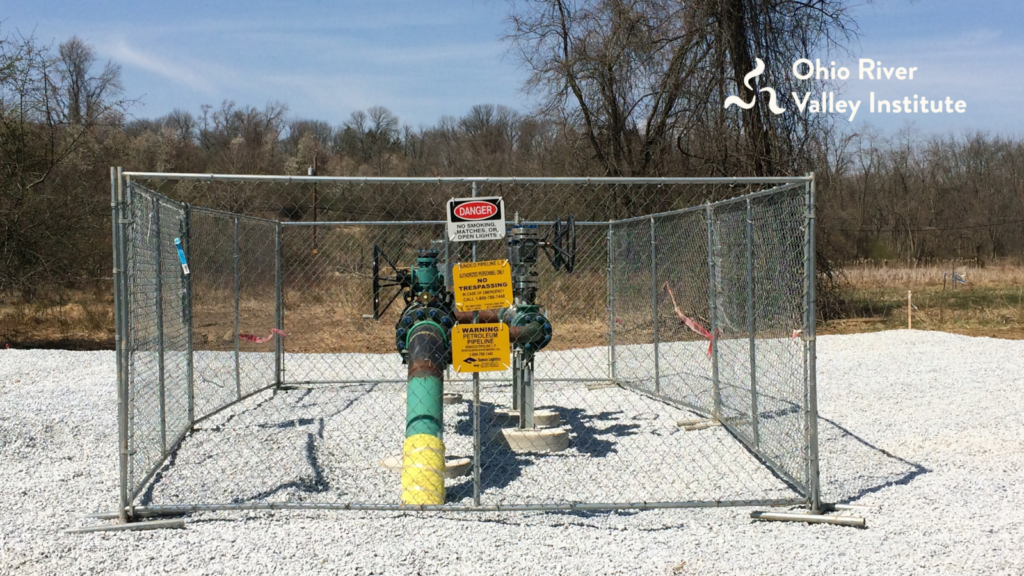
Pennsylvania Attorney General Josh Shapiro charged Mariner East 2 Pipeline owner Energy Transfer with a total of 48 counts of environmental crimes last Tuesday in a landmark crackdown that reflects Pennsylvania voters’ overwhelming concern about the impacts of fracking and related activities. In a hearing, Shapiro’s office revealed that, on multiple occasions, Energy Transfer allowed […]
Mapping the Cost of Widespread CCUS Adoption
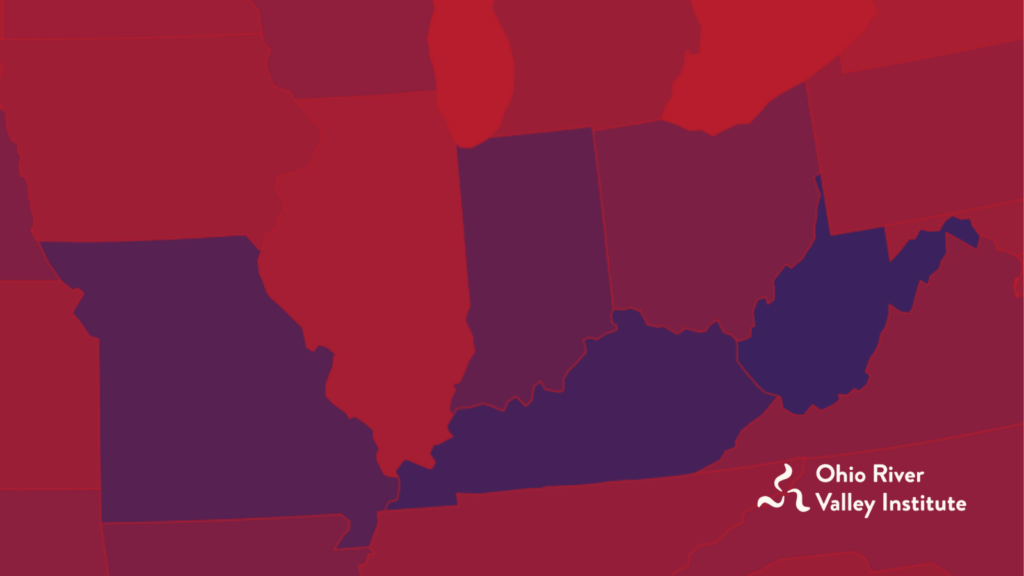
New Ohio River Valley Institute research finds that the broad-scale adoption of carbon capture, use, and sequestration (CCUS) would come with a price tag upwards of $100 billion dollars per year. A bevy of proposed legislation in Congress would hoist that bill on regular taxpayers and ratepayers. What would CCUS adoption mean for your wallet? […]
Year in Review

The Ohio River Valley Institute (ORVI) launched one year ago, in August 2020, as an independent, nonprofit think tank designed to equip the region’s residents and decision-makers with the policy research and practical tools they need to advance long-term solutions to some of Appalachia’s most significant challenges. The Institute produces data-driven research and proposes policies […]
Community groups urge U.S. Department of Energy to halt gas, ethane development

More than one hundred environmental and community advocates described the devastating threats to public health and safety posed by petrochemical development in Appalachia and the Gulf South during a public hearing organized by the Department of Energy’s Office of Fossil Energy and Carbon Management on Tuesday. According to the Office of Fossil Energy and Carbon […]
How the Department of Energy Can Help Mitigate Economic and Environmental Damage from Petrochemical Development and Fracking
Senior Researcher Sean O’Leary explained the damaging effects of shale gas activity and prospective petrochemical development on the environment, residents’ wellbeing, and local economic growth in a public-facing presentation for the U.S. Department of Energy’s Office of Fossil Energy and Carbon Management earlier this week. The presentation informed the Department of Energy’s public meeting to […]
Finding Opportunity in the Ohio Valley

Last week, Senior Researcher Sean O’Leary and I traveled across the Ohio Valley to discuss Ohio River Valley Institute research with county commissioners and local organizations. The trip laid bare the aftermath of fracking’s grip on the regional economy. Boarded windows and vacant, slouching storefronts line Bellaire, Ohio’s Belmont Street, looming over what was once […]